
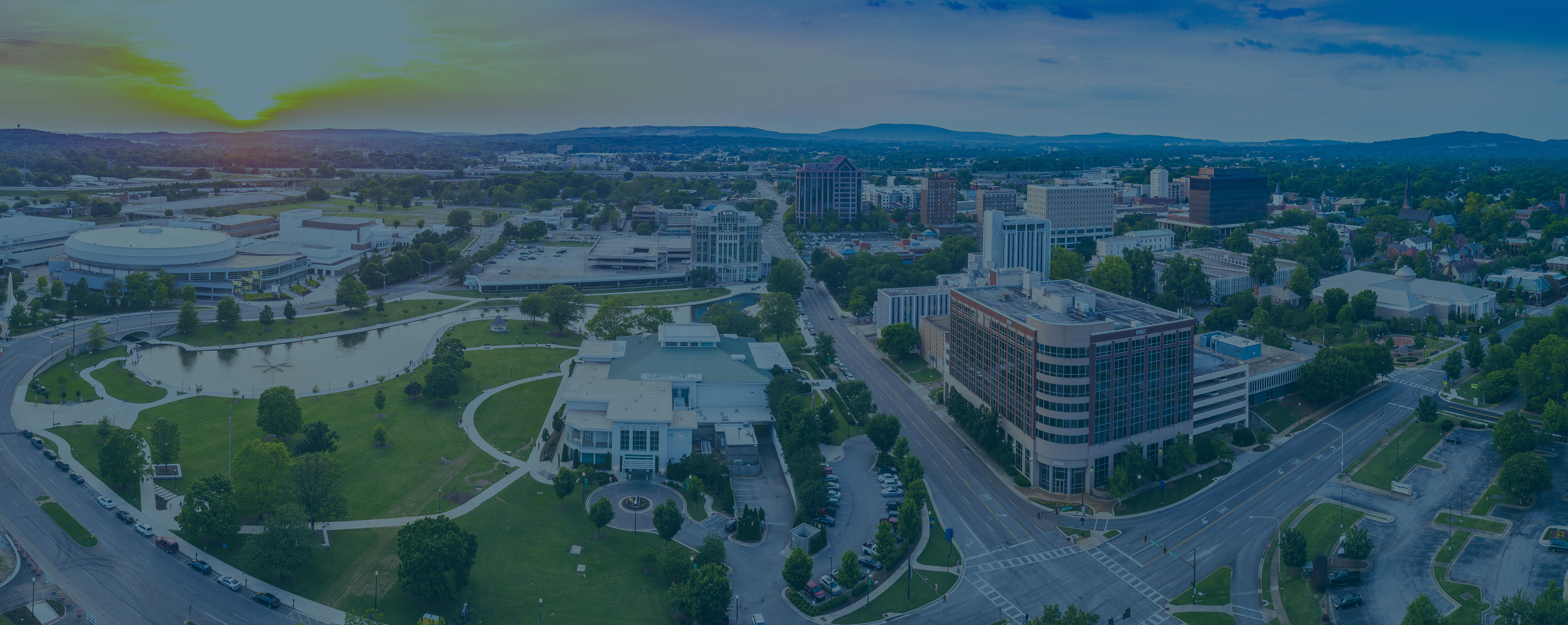
If you are thinking about moving to Huntsville, Alabama, you can find plenty of lists covering jobs, home prices, restaurants, and attractions. What is harder to find is the perspective of people who actually live and work here.
Huntsville has changed quickly, and many of the things that surprise new residents do not fit neatly into a relocation brochure. From Redstone Arsenal and school zoning to traffic, new construction, weather, and the number of people who decide to stay long term, here are 10 things worth knowing before you move to Huntsville.
Living in Huntsville at a Glance
People moving to Huntsville are often surprised by how much the city is shaped by aerospace, defense, federal employment, relocation, and continued residential growth.
- Redstone Arsenal affects jobs, development, commuting, and housing decisions.
- School attendance zones can change as Huntsville and Madison continue to grow.
- Traffic is increasing, but many relocating residents still find commutes easier than larger metropolitan areas.
- New construction remains a major part of the North Alabama housing market.
- Housing choices can differ substantially from higher-cost relocation markets.
- Summers are hot and humid, while winters are generally moderate.
- Severe-weather preparation is a normal part of living in North Alabama.
1. Huntsville May Not Be What You Expect From Alabama
People moving from other parts of the country sometimes arrive with a certain picture of what living in Alabama will be like. Huntsville often challenges those expectations.
The city has a large concentration of engineers, defense contractors, technology companies, federal employees, military personnel, and people connected to the aerospace industry. It is also a city where a significant portion of the population moved here from somewhere else.
That makes Huntsville feel more transient and nationally connected than many newcomers expect. It is common to meet people who came from Washington, D.C., Colorado, California, Texas, Virginia, Florida, or another military and technology market.
If you are new to Huntsville, there is a good chance many of your neighbors and coworkers will be relatively new too.
2. Redstone Arsenal Has an Outsized Impact on Huntsville
You do not have to work at Redstone Arsenal for it to affect your life in Huntsville.
The Arsenal is one of the biggest influences on the area's economy, employment, development, and commuting patterns. NASA's Marshall Space Flight Center is located there, along with numerous Army organizations and other federal operations. Huntsville also has a major FBI presence, a large defense contracting community, and continued growth connected to aerospace and national defense.
That concentration of federal, military, engineering, and technology jobs is one reason Huntsville has attracted workers from across the country.
It also affects where people choose to live. For buyers working on or near Redstone Arsenal, commute routes and gate access can be just as important as the number of miles between a house and the office.
3. School Zones Can Change as Huntsville Grows
Families moving to Huntsville often begin their home search with a particular school or school district in mind. One thing they may not expect is how growth can affect those boundaries.
New schools continue to open as Huntsville, Madison, and surrounding communities add residents and new neighborhoods. As enrollment changes, attendance zones can change too.
Madison is a good example. When James Clemens High School opened, some families who had expected their children to attend Bob Jones High School found themselves assigned to the new school. As James Clemens became established, demand and perceptions changed as well.
The lesson for homebuyers is not that one school is better than another. It is that a home's current school assignment should not automatically be treated as permanent.
If school zoning is important to your move, verify current assignments directly with the appropriate school system and consider how future growth could affect the area.
School districts can also influence buyer demand when you eventually sell, which makes zoning worth understanding even if you do not currently have school-age children.
4. Huntsville Traffic Depends on What You Are Used To
Ask someone who has lived in Huntsville for decades about traffic and you may hear that it has become much worse.
Ask someone who recently moved here from Washington, D.C., Northern Virginia, Atlanta, Nashville, or another major metropolitan area and you may get a very different answer.
Both perspectives can be true.
Huntsville's growth has added congestion, particularly during the morning commute, afternoon school traffic, and the evening rush. Roads near Redstone Arsenal can become busy around shift changes, and areas such as Providence can back up at peak times.
At the same time, many newcomers find their Huntsville commute considerably easier than what they left behind.
The important part is understanding the actual drive from the neighborhoods you are considering. A home that looks close to work on a map may have a very different commute depending on the route, Arsenal gate, school traffic, and time of day.
5. New Construction Is a Major Part of the Housing Market
One of the biggest differences between Huntsville and many other growing job markets is the amount of new construction available.
Some cities have strong employment growth but very little land left for development. Huntsville has a large geographic footprint, and development has continued both within the city and throughout surrounding communities.
That means homebuyers can find new construction across a wide range of locations, home styles, builders, and price points.
Large production builders are active throughout North Alabama, but buyers can also find smaller local builders and custom construction.
For someone relocating from a market where a new home requires moving far outside the city, the amount of construction around Huntsville can be surprising.
6. Your Housing Budget May Go Further Than Expected
Housing affordability is another reason many people moving to Huntsville are surprised by what they can buy.
Someone relocating from Northern Virginia, Washington, D.C., Colorado, California, or another higher-cost market may be able to consider a larger home, newer construction, more land, or a different type of neighborhood than they expected.
That does not mean every part of the Huntsville market is inexpensive. Prices vary significantly depending on location, age, lot size, amenities, construction type, and current inventory.
The difference is that Huntsville still offers a broad mix of housing choices.
Buyers can find everything from established neighborhoods close to central Huntsville to newer communities in Madison, Meridianville, Harvest, Owens Cross Roads, and other growing parts of North Alabama.
For relocating buyers, it usually makes sense to compare neighborhoods based on more than price alone. Commute, future development, taxes, school zoning, resale demand, and the type of home available should all be part of the decision.
7. Huntsville Has Four Seasons, Including Humid Summers
Huntsville gives residents a little bit of nearly every season.
Summers are hot and humid. Fall generally brings cooler weather and changing leaves. Winters are usually mild compared with northern states, although freezing temperatures and occasional snow or ice are possible. Spring brings warmer weather along with plenty of outdoor activity.
For someone moving from a dry climate such as Colorado, the summer humidity can take some adjustment.
At the same time, Huntsville's relatively moderate winters make it possible to spend a large portion of the year outdoors. Hiking, biking, boating, fishing, golf, youth sports, and other outdoor activities are a big part of life throughout North Alabama.
8. Severe Weather Is Something Residents Prepare For
Tornadoes and severe thunderstorms are part of living in North Alabama, and newcomers should understand how local residents prepare for them.
That does not mean severe weather controls everyday life. It does mean most residents pay attention when strong storms are forecast and have a plan for where they will go if a tornado warning is issued.
Basements are not as common in Huntsville as they are in some parts of the country. Because of that, some homeowners install above-ground or below-ground storm shelters, while others identify an interior room or another safe location.
If you are buying a home in Huntsville, it is worth thinking about severe-weather safety before you need it. Buyers sometimes include an existing storm shelter as one of the features they consider when comparing properties.
9. A Temporary Move to Huntsville Often Becomes Permanent
Huntsville has a large population of people who originally arrived because of a job assignment.
Military families may be stationed at Redstone Arsenal. Engineers and defense professionals may transfer here for a contract or project. Federal employees may expect to spend only a few years in North Alabama.
Then some decide to stay.
Others leave because their career takes them somewhere else and eventually return to Huntsville later in life.
We have worked with many military retirees, defense professionals, and families who came to Huntsville expecting it to be temporary and ultimately decided to make North Alabama their long-term home.
The combination of career opportunities, housing choices, weather, outdoor recreation, and the general pace of life can make Huntsville difficult to leave once people become established here.
10. Huntsville Puts You Close to More Than You Might Think
Huntsville offers plenty to do locally, but one advantage residents sometimes overlook is where the city sits within the Southeast.
North Alabama provides easy access to hiking, lakes, rivers, state parks, and mountain areas. Nashville, Birmingham, Chattanooga, and other regional destinations are within driving distance, making weekend trips relatively easy.
Longer trips can put you in the Smoky Mountains, on the Gulf Coast, or in several major Southern cities without requiring air travel.
That location gives Huntsville a balance that appeals to many people moving here. You can live in a growing technology and defense market without giving up access to outdoor recreation or larger metropolitan areas.
What to Know Before Moving to Huntsville
There is no single neighborhood, commute, school system, or type of home that works for everyone moving to Huntsville.
Someone working at Redstone Arsenal may place a high priority on commute time and gate access. A family may focus more heavily on school zoning. Another buyer may care most about new construction, acreage, proximity to downtown Huntsville, or getting more home for their budget.
That is why understanding Huntsville at the local level matters.
The city is growing, and the housing market, roads, schools, and surrounding communities are changing along with it. Knowing how those pieces fit together can make it much easier to narrow down where you want to live before you start looking at homes.
Matt Curtis Real Estate helps buyers and families relocating to Huntsville, Madison, Athens, Decatur, and communities throughout North Alabama understand their options and make informed real estate decisions based on what matters most to their move.
Planning a Move to Huntsville?
The right area depends on your commute, budget, housing preferences, school considerations, and what you want everyday life in Huntsville to look like. We can help you compare your options before you start looking at homes.
Send Us A Message